Copepods
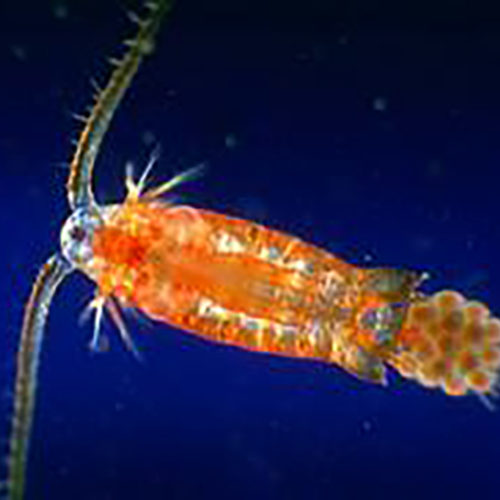
There are many different species of Copepods. Few of the species in vernal pools have been named. You are most likely to spot the bright red Diaptomus and at least…
There are many different species of Copepods. Few of the species in vernal pools have been named. You are most likely to spot the bright red Diaptomus and at least…
Several species of Water Mites live in vernal pools. The most obvious one looks like a fat spider with a bright red, round body. It has eight small legs attached…
The Pacific Chorus Frog is the only green or brown frog in our area with a dark “mask” across its eyes and “suction cups” on its toes. Often called the…
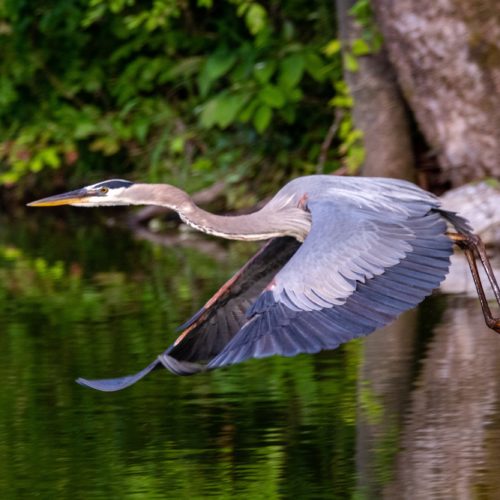
The Great Blue Heron is a wading bird. It has a blue-gray back, black patches on its sides and a gray and white-striped belly. The cheeks, throat, and top of…
…showcases magnified images and videos of freshwater invertebrates, insect larvae, crustaceans and tadpoles so students can feel as though they are looking through the microscopes themselves. This video is dedicated…
Fairy Shrimp are pale-colored (normally gray-white) and transparent. They have a long, narrow body with 11 pairs of paddle-like legs. Females have a brood pouch which holds eggs, located directly…
Freshwater snails are not as colorful as their saltwater cousins. In general, their shells come in shades of gray, brown, and black, often with flecks of yellow or white. Vernal…
Although they are called flatworms, these invertebrates are not flat. They are round-bodied with a flat belly. They are longer than they are wide. They are pointed at each end. …